

🧙♂️Thrills and Chills🧛
- westof22production
- Oct 30, 2025
- 4 min read

When it comes to film genres, few can create heart-pounding excitement and nail-biting suspense like thrillers. From psychological mind-benders to edge-of-your-seat action, thrillers captivate audiences and keep them guessing until the very end. In this blog post, we’ll explore the nuances of the thriller genre, its evolution, and the elements that make it compelling.
The Essence of Thrillers
At its core, a thriller aims to elicit strong emotional responses from its audience. Whether it’s fear, excitement, or anticipation, thrillers engage viewers by placing them in high-stakes situations. The genre often centers around crime, espionage, or psychological tension. This creates a sense of urgency that keeps audiences glued to their seats.
Thrillers can be divided into several sub-genres: psychological thrillers, crime thrillers, and action thrillers. Each sub-genre has unique characteristics but shares the common goal of delivering a gripping narrative that captivates viewers.
The Evolution of the Thriller Genre
The thriller genre has a rich history that dates back to the early days of cinema. Classic films like Alfred Hitchcock’s "Psycho" and "Rear Window" set the standard for psychological thrillers, showcasing the power of suspense. For instance, "Psycho," released in 1960, was a groundbreaking film that not only entertained but also challenged audiences to think critically about characters and motivations.
As the genre evolved, filmmakers experimented with new techniques and themes. The rise of technology introduced fresh elements into thrillers, leading to the emergence of cyber thrillers and international espionage narratives. Movies like "The Bourne Identity" (2002) and "Enemy of the State" (1998) reflect this shift, incorporating modern elements that resonate with contemporary viewers. For example, "The Bourne Identity" grossed over $214 million worldwide, proving the genre's adaptability and popularity.
😱Key Elements of a Great Thriller
What makes a thriller truly captivating? Here are essential elements that contribute to the genre's success:
1. Strong Characters
Compelling characters are crucial in any thriller. Viewers need to connect with the protagonist, whether they are detectives, anti-heroes, or innocent bystanders caught in a web of deceit. For example, in "Prisoners" (2013), the father, played by Hugh Jackman, embodies raw desperation. His motivations, flaws, and developments throughout the story play a crucial role in maintaining suspense.
2. Tension and Pacing
Great thrillers maintain a delicate balance between tension and pacing. Filmmakers often use cliffhangers, unexpected twists, and red herrings to keep audiences guessing. The pacing should be controlled, allowing moments of calm to heighten the impact of shocking revelations. A well-executed slow-burn can make the explosive moments more rewarding, much like the tension built in "Gone Girl" (2014) throughout its intricate plot.
3. Atmosphere and Cinematography
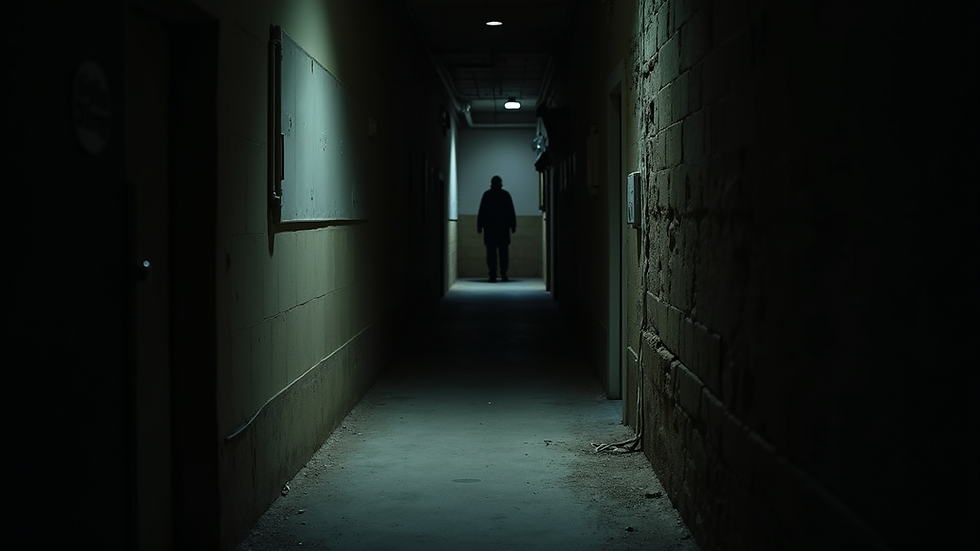
The visual elements can significantly enhance a thriller's impact. Cinematography, lighting, and sound design work together to create an atmosphere that immerses viewers in the story. Dark, moody settings and unsettling soundscapes evoke feelings of dread. For instance, the dimly lit scenes in "Se7en" (1995) effectively contribute to its chilling narrative.
4. Plot Twists
One hallmark of a great thriller is its ability to surprise audiences with plot twists. These twists can take many forms, from shocking revelations about a character's true identity to unexpected turns in the storyline. For example, the twist ending in "Gone Girl" not only keeps viewers engaged but also encourages them to reevaluate everything they thought they knew about the characters.
📽️Iconic Thrillers to Watch
If you’re looking to dive into the world of thrillers, here are some iconic films that showcase the genre's best elements:
1. "Se7en" (1995)
Directed by David Fincher, "Se7en" is a dark psychological thriller. It follows two detectives hunting a serial killer who uses the seven deadly sins as his MO. The film's grim atmosphere and shocking conclusion make it a must-watch, influencing the thriller genre significantly.
2. "Gone Girl" (2014)
Based on Gillian Flynn's bestselling novel, "Gone Girl" explores the complexities of marriage and media perception. Its intricate plot and unreliable narration keep viewers guessing about the truth behind Amy Dunne's disappearance.
3. "Prisoners" (2013)
In "Prisoners," a father's desperate search for his missing daughter leads him down a dark path. The film features intense performances and a gripping narrative, solidifying it in the crime thriller sub-genre.
4. "The Silence of the Lambs" (1991)
This classic psychological thriller showcases the chilling dynamic between FBI trainee Clarice Starling and Dr. Hannibal Lecter. Its exploration of the human psyche and iconic characters have established its place in cinematic history.
The Impact of Thrillers on Pop Culture
Thrillers have shaped the film industry and left a lasting impact on pop culture. Iconic quotes, memorable characters, and unforgettable scenes from thrillers permeate everyday life. The genre's ability to tap into universal fears and anxieties makes it relatable across generations.
Additionally, the rise of streaming platforms has made thrillers more accessible than ever. Viewers can binge-watch entire series filled with suspenseful plots. Shows like "Mindhunter" and "You" have captivated audiences, proving that the thirst for thrills is far from quenched.
😶🌫️The next time you’re in the mood for a movie night, consider diving into the world of thrillers. With their heart-pounding suspense and unexpected twists, they promise to deliver the thrills and chills you crave. Happy watching!


Comments